
العلوم
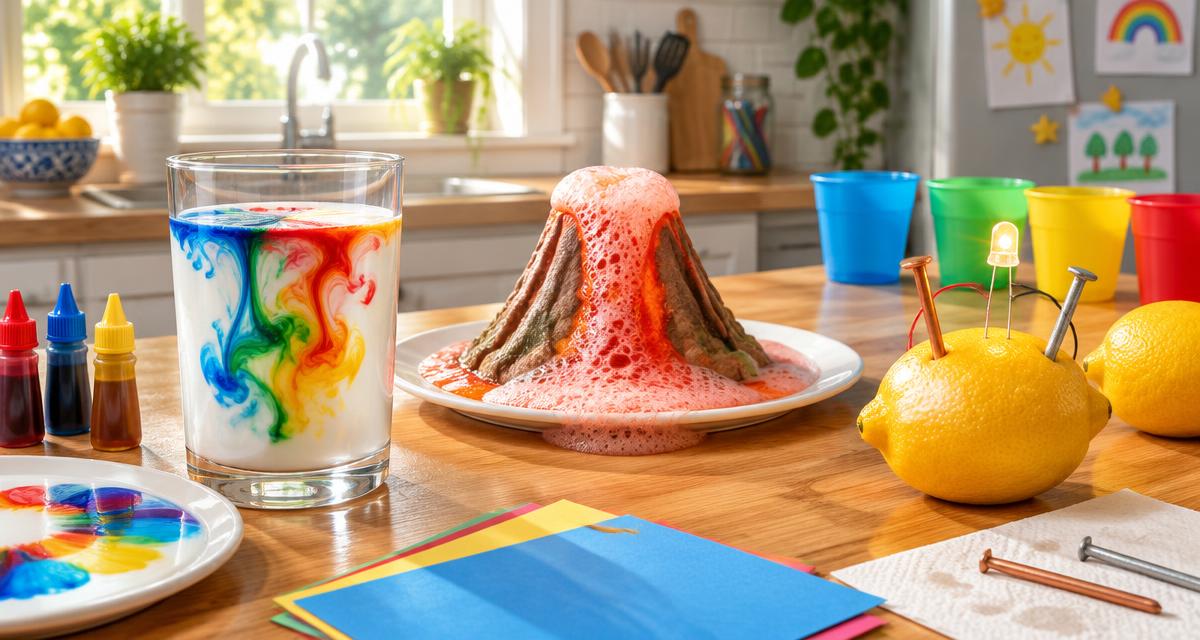
Science Experiments for Kids at Home: 3 Safe Kitchen Experiments
Three safe, fun science experiments you can run in your kitchen with things every home already has: color-swirl milk, a baking-soda volcano, and a lemon battery.
Read article →Three safe, fun science experiments you can run in your kitchen with things every home already has: color-swirl milk, a baking-soda volcano, and a lemon battery.
Read article →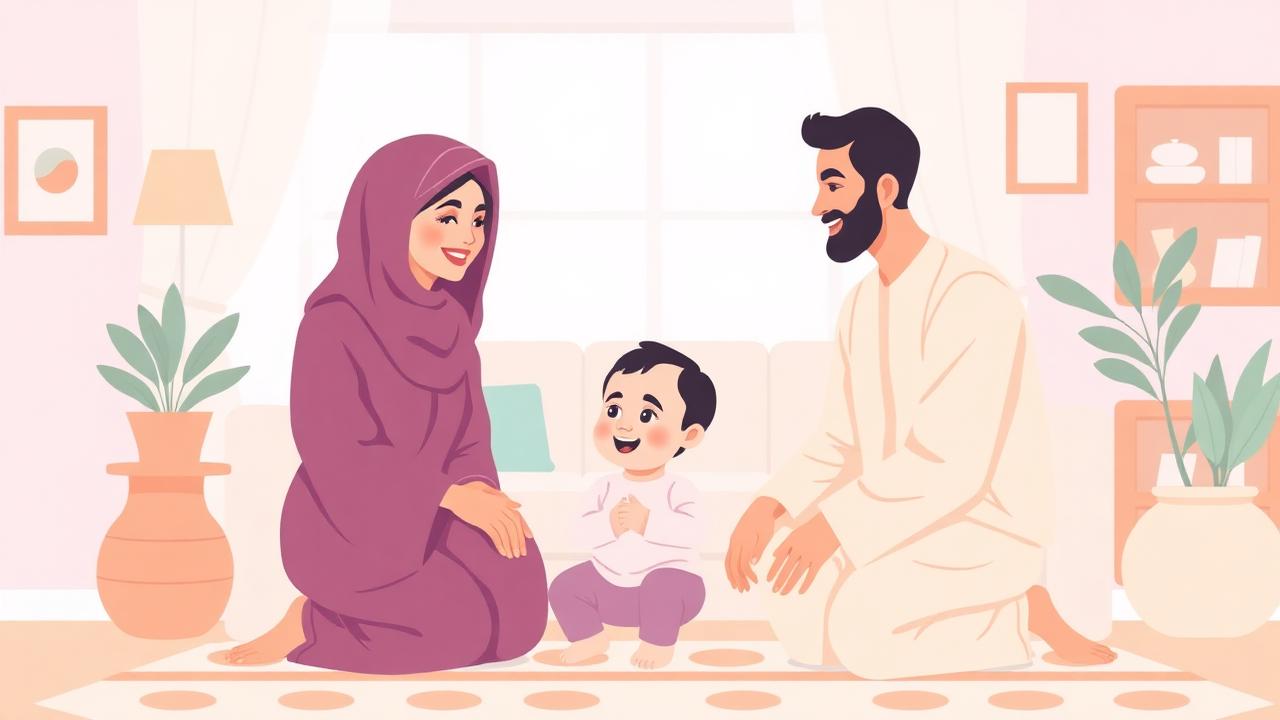
A child who feels heard cooperates more and melts down less. A practical guide with steps, scripts, books, and links.
Read article →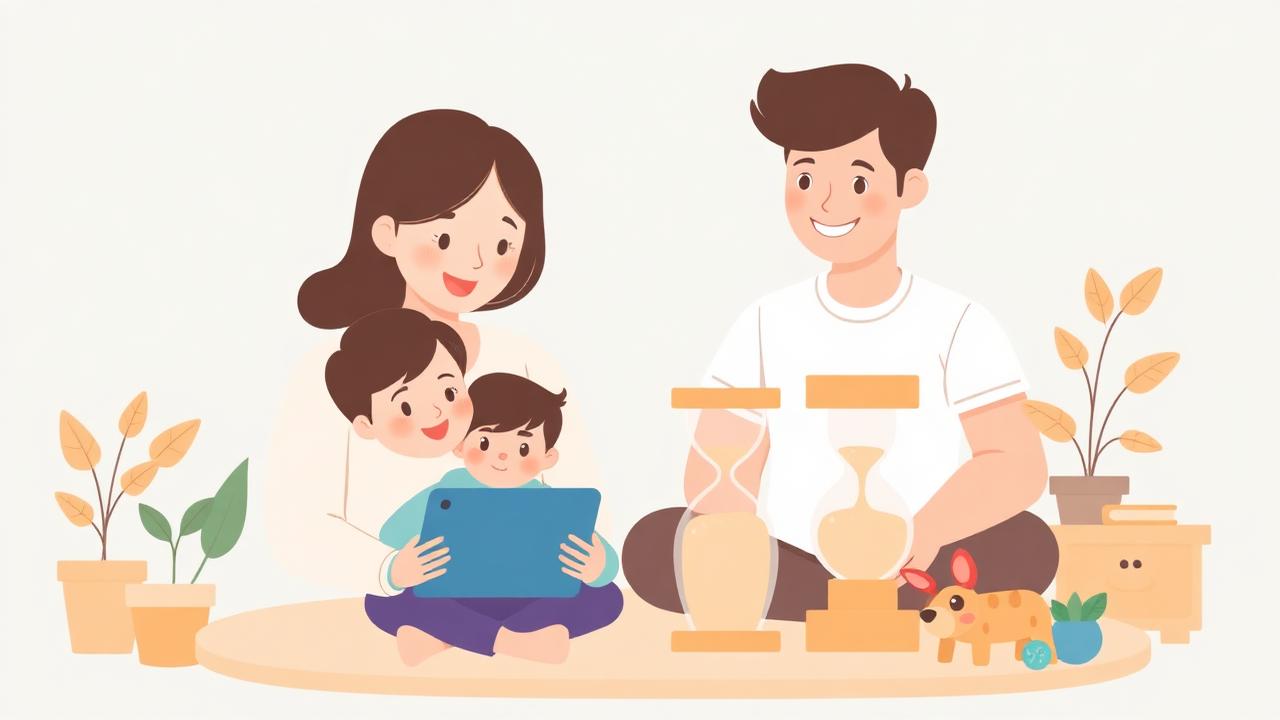
Personal safety rules in simple language, digital safety settings, and what to do if a child discloses.
Read article →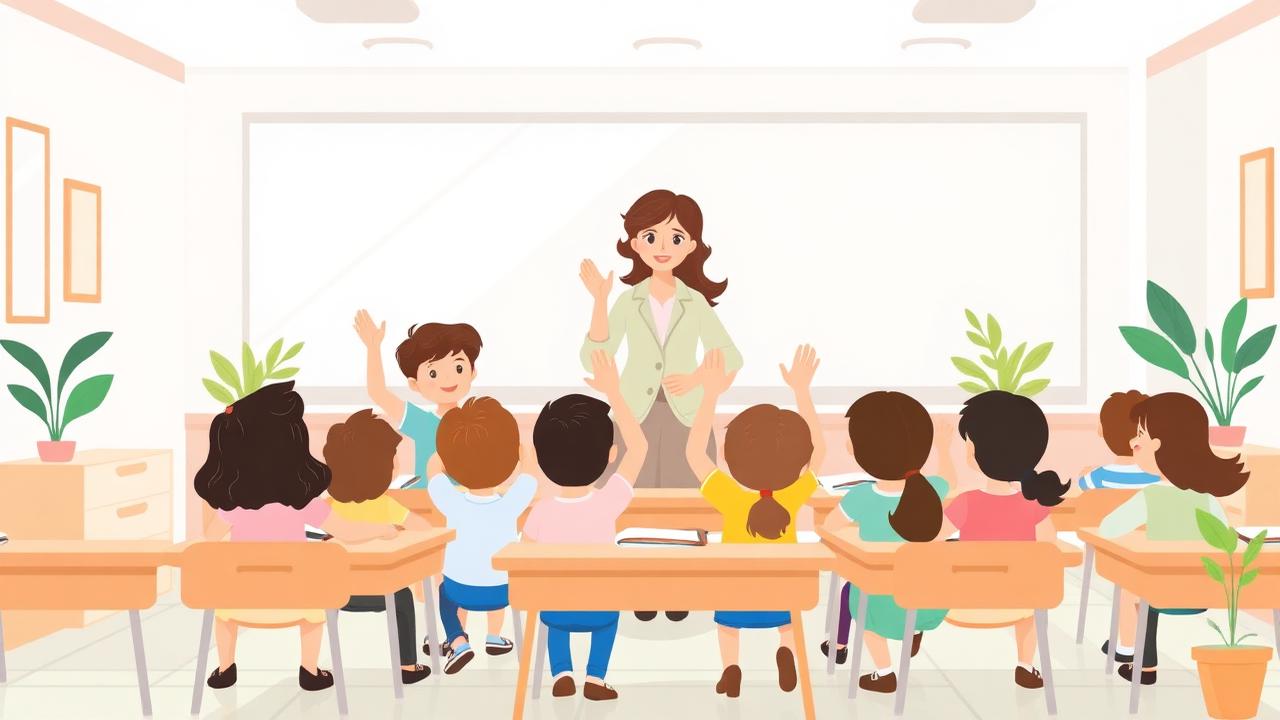
A message template for teachers, parent-meeting questions, and how to handle disagreement respectfully.
Read article →Death, illness, divorce, war, "where did I come from?" — a three-step framework for safe answers.
Read article →
Children learn regulation from your calm. A self-rescue plan for parents and teachers at boiling point.
Read article →Confidence is built through real tasks, not compliments: age-based responsibilities, scripts, and references.
Read article →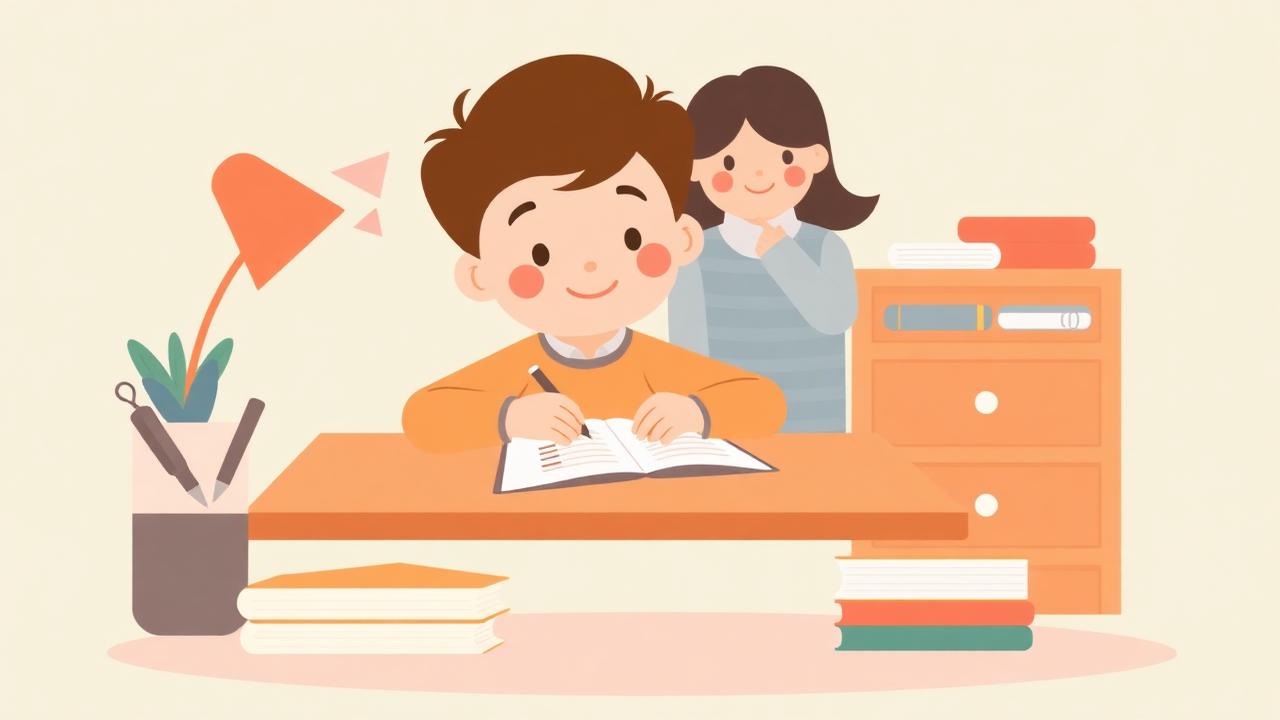
How to spot your child strengths and support learning difficulties early: signs, tools, and trusted links.
Read article →
The difference between helpful reassurance and harmful avoidance, with breathing exercises and a courage ladder.
Read article →The first five minutes routine, attention signals, and a class agreement board — management without shouting.
Read article →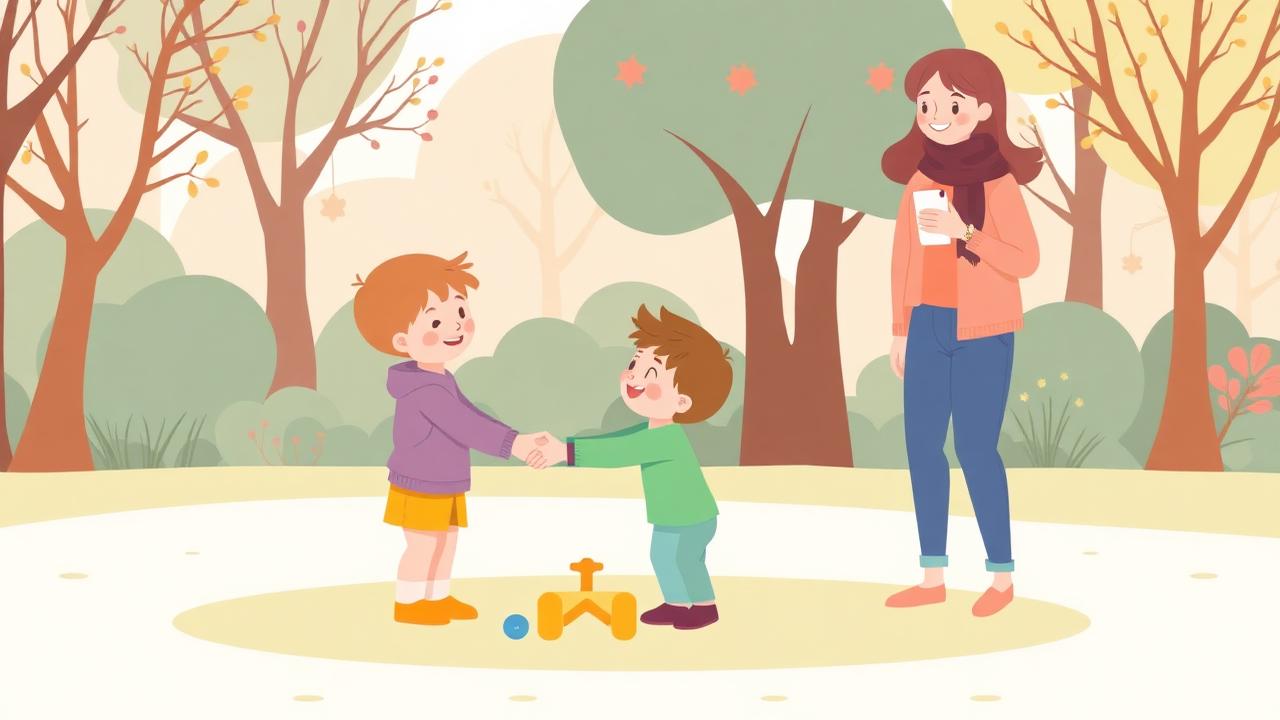
Why siblings fight and how to intervene without creating a victim and a villain: practical daily tools.
Read article →Skills for joining play, sharing, and apologising — plus a clear plan when bullying happens at school.
Read article →The blog is a practical space for parents and teachers: short articles about everyday situations with children, from tantrums and bedtime struggles to screen-time limits, back-to-school preparation and building a reading habit. Each piece is written in plain language and built on steps you can apply tonight rather than long theory.
We start from the questions parents actually search for: what do I do with a four-year-old who refuses to share? How do I choose home learning activities that cost nothing? How do I calm a child in an emergency? Where it helps, we add references, books and useful links so readers can go deeper instead of stopping at the summary.
Articles are categorised and reshuffled on each visit so you keep discovering pieces you haven't read, and every article opens on its own page with its own title and description, which makes it easy to share with a class group or family chat. If there's a topic you'd like us to cover, tell us — most of our articles started as a question from a parent or a teacher.